A Guide to City Pop: The Soundtrack of 80’s Japan
By Lance Gosiaco
|6 min read
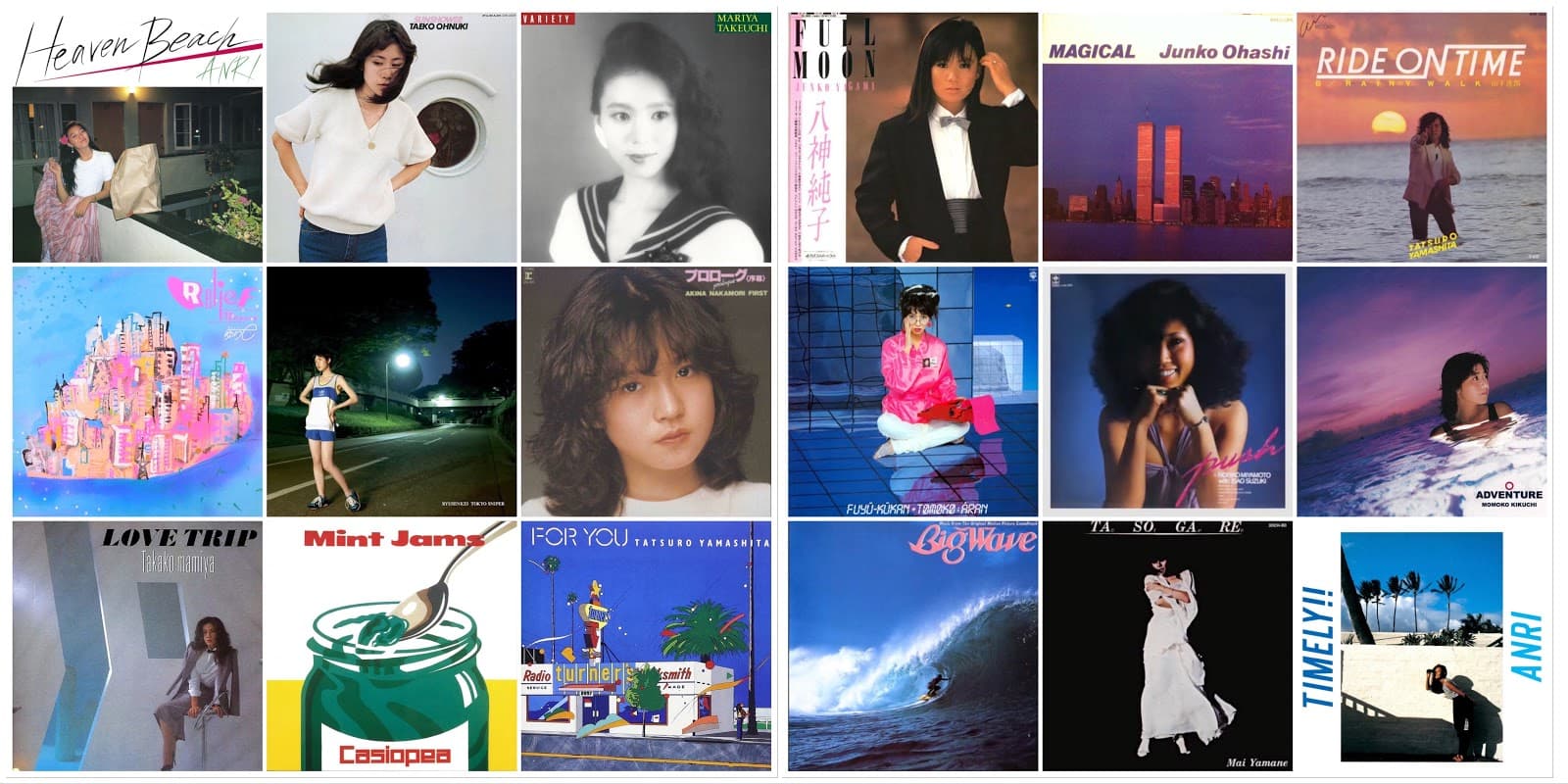
We often understand music to be something that reflects and even dictates the way we feel. Having several genres at our disposal allows us the liberty of clinging to the ones that speak to us the most. But it is when there is a collective feeling involved, sparked by circumstances of a specific time, that music serves as a glimpse into the reality in which it was produced–a characteristic certainly true of City Pop.
City Pop is a loose category of mainstream Japanese music born in the 1970’s, which peaked in Japan’s economic boom during the 1980’s. Rooted from Western genres such jazz, boogie, disco, soft rock, and multiple others, City Pop summons a lush urban nightlife atmosphere with neon lit streets filled with restaurants, discos, department stores, and flashy cars. Unfortunately, with Japan’s economic stagnation in the 1990’s, its popularity declined as people’s lifestyles became more frugal, with some seeing it as cheesy and disposable.
That sentiment began to change starting in the early 2010’s, however, when City Pop songs and albums resurfaced online to a new generation. Its revival is largely credited to Mariya Takeuchi’s Plastic Love, which garnered over 60 million views since July 2017. It served many well as an introduction to the genre, as it demonstrated City Pop’s ability to convey emotions with its rich and complex sounds. Both the tone of her voice and the choice of chords bring the feeling of melancholic nostalgia about an unforgettable someone, even to those unfamiliar with the language. As such, it encouraged listeners to search for more old hits – some of which were repopularized – and even producers of the vaporwave and future funk genres to sample City Pop songs.
What makes City Pop loved by its community is the era it reflects. Because of Japan’s economic boom in the 80’s, locals spent lavishly on luxuries and new technology like cassette players. The many songs that came out during this period captured the hope the Japanese felt in a time when the future looked bright. I have compiled a list of songs and albums from different artists that I have listened to since I first discovered the genre to bring that wonderful feeling from the past to you.
Like Plastic Love, Miki Matsubara’s Stay with Me also took social media users by storm, though with its much more jovial vibe. The life it brings comes from its catchy chorus that makes you want to blissfully sing along. The jazz-inspired easygoing feel of Stay with Me carries over throughout the rest of the album it belongs in,Pocket Park, so I suggest giving it a listen if it interests you.
I highly recommend Junko Ohashi’s Telephone Number as well because of how funky it is. Listening to the song feels like gleefully going through the neon-lit streets of Japan without a care in the world, and its iconic “Awoo!” certainly helps lighten the mood. If you would like to listen to more of her songs, I recommend checking out Perfume, Dancin, and Crystal City.
For those curious on full-length albums, here are my recommendations:
Big Wave – Tatsuro Yamashita (1984)
Tatsuro Yamashita, one of the larger influences in City Pop, is a master in creating exquisite songs fit for any mood – a result of his love for Western genres, most notably soft rock. The Big Wave album is a perfect example of this, as it pulls you into different settings like an afternoon along the beach or a relaxing nostalgic evening. One of my favorites is Magic Ways because it feels so optimistic, as if no matter how things are, everything will work out, and something great awaits you at the end. Another personal favorite is Only With You, as its slower pace and softer instrumentals makes it feel like the perfect song for when you lay down and watch the stars with someone on a warm summer night.
Love Trip – Takako Mamiya (1982)
Takako Mamiya is known to be a mysterious figure in the industry, having quit shortly after the release of this album. What I love about Love Trip is Mamiya’s soft vocals and how it blends so well with the smooth jazz accompaniment playing along, which do well in evoking a sense of tranquility. The smooth saxophone and Mamiya’s soothing voice in Mayonaka no Joke, my favorite song in the album, never fails to ease my mind, especially at night. Whenever I listen to it, I feel as though I am walking on the night streets of Tokyo, under the bright city lights, watching passing cars leave behind streaks of light.
Sunshower – Taeko Ohnuki (1977)
Like Love Trip, Taeko Ohnuki’s Sunshower has a special aura to it that makes it stand out. The mix of soul and smooth jazz that are found in its soothing vocals and instrumentals feels like enjoying a fine summer season. When Tokai starts to play, you can imagine yourself enjoying the seaside breeze in a convertible on a warm afternoon. There’s also the slow, soft vocals and saxophone on Karappo No Isu, which feels like laying down and watching the lit city skyline from a hill on the outskirts after a long day. It is difficult to really explain how unique and charming this album is, so I say cut to the chase and give it a listen.
Tasogare – Mai Yamane (1980)
Outside of her work on the highly acclaimed anime Cowboy Bebop, she is most known for the titular song Tasogare, one of the most well-known songs in the City Pop genre. Its bluesy feel makes you want to pull out an air guitar and jam along, no matter how embarrassing it may look. This style of catchy guitar playing and deep vocals also appear in a few personal favorites. The fast tempo and upbeat vocals in Get Away are sure to fill you with passion and energy. A calmer favorite is Wave, which makes the world slow down with its slow bass groove and the background vocals whispering “Do it again,” leaving you swaying with the beat.
There are a lot more artists, songs and albums that I recommend checking out. These include Yurie Kokobu, Anri, Junko Yagami, Meiko Nakahara, Momoko Kikuchi, Tomoko Aran, Noriko Miyamoto, Hako Yamasaki, and many others. I highly encourage discovering other artists on your own so you get the full experience.
The YouTube algorithm is a helpful tool in exploring the City Pop genre. By browsing the app, I had been recommended a few gems which I would not have discovered otherwise. I also recommend checking out the YouTube channel Xerf Xpec, which posts a lot of underground albums and live mixes of seasonal city pop songs.
What I love most about City Pop is its ability to transport you to a wonderful place away from your troubles. Listening to the various songs has helped me deal with strong emotions and remember fond memories. I am grateful that I found this genre, as it made my world a little brighter, so I hope that these songs bring you that magical feeling, too.
References
https://www.vice.com/en/article/mbzabv/city-pop-guide-history-interview
https://www.tokyoweekender.com/2020/07/a-complete-guide-to-city-pop/
City Pop: The Rise, the Fall, and the Revival
Images


