Apologies: the cost of standing against China
By jftchua20
|3 min read
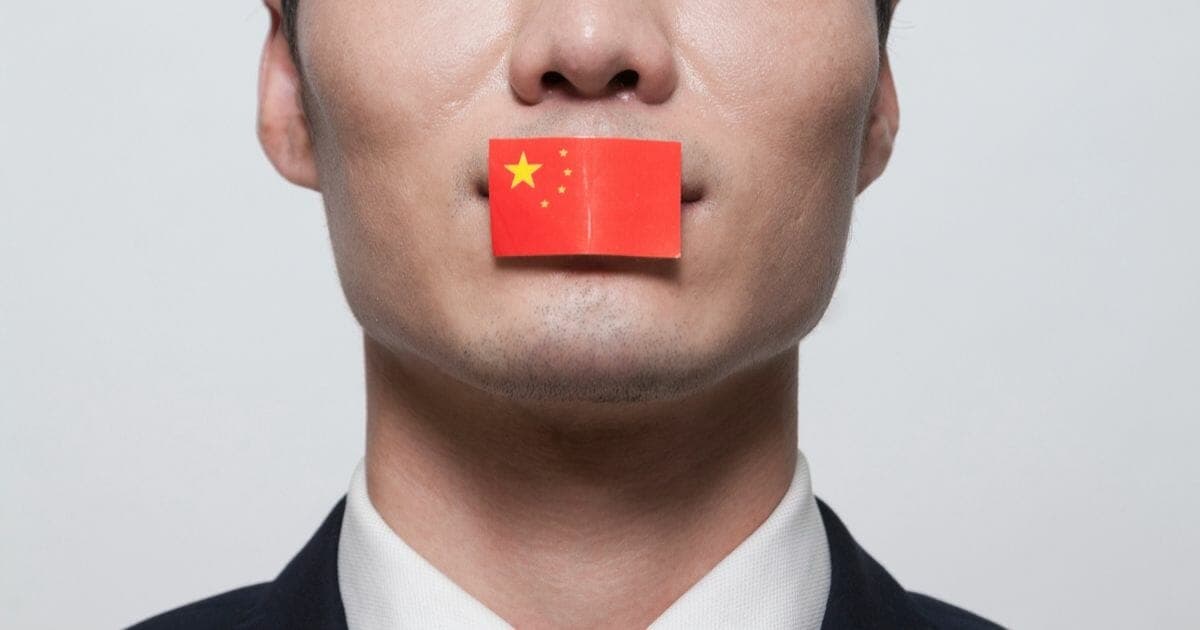
Image Source: XiXinXing. (2019). Chinese flag covering man’s mouth. Retrieved from https://www.westernjournal.com/chinese-censorship-immune/
In the last decade, China has maintained a strong stance against any actions on social media downplaying their authority, or even contesting the nationalist ideology they promote so stringently. Especially on Chinese social media platforms, there are limits to what can be posted and eventually go viral. From ideas like democracy to individuals like the Dalai Lama, a varied range of media falls victim to censorship. With the rapid development of the Chinese economy, it seems that the same is happening onto non-Chinese entities on a large scale.
Love For The Game
“Fight for Freedom. Stand with Hong Kong.” tweeted Daryl Morey, general manager of the Houston Rockets franchise in the NBA. This explicit statement on a sensitive topic has led to the exclusion of the brand in all connections with China, being excluded from business deals and any media coverage, and even if this weren’t the case, the brand has drawn much hate even from its Chinese fans (Thompson, 2019). At this point, Morey’s dismissal from the organization is being considered, and many fans have expressed their regret at the manager’s tweet.
Lebron James’ comment on the matter: “Could have waited a week to send it.” has also added fuel to the flame. Such a tweet led to hundreds of replies accusing him of being apologetic with the Chinese administration- one that is often criticized for its continuing mass censorship and alleged human rights violations made in the past.
Streamed To The World
“Liberate Hong Kong. The revolution of our age!” exclaimed Ng “Blitzchung” Wai Chung, after playing a game of competitive Hearthstone broadcasted to the entire world. Hearthstone, an online card game published by video game developer Blizzard Entertainment, has garnered a massive following in China. Capturing a massive portion of the $36.9 billion Chinese gaming market, Blizzard intended to appease the said market, and did so by revoking Ng’s prize money, banning him from competitive play for a year, and issuing an apology on the Chinese social media platform Weibo. Many have expressed their disappointment in the company – choosing to boycott all Blizzard-sponsored events and intellectual property and even causing a walkout within the company.
Despite claiming that their actions were not related in any way to the tense political situation in China, the aforementioned apology by Blizzard Entertainment included: “We will always respect and defend the pride of our country.” This is one example of many inconsistencies that has gotten the company in trouble – even warranting a letter from the US Senate, signed by Alexandria “AOC” Ocasio-Cortez (D-NY) and Marco Rubio (R-FL) (Cooney, 2019).
The Hong Kong protests have sparked conversation about the soft spot organizations have for China, and the validity of what these companies do to please the government and market. What those with significant stake in China have done is considerable – redrawing policies, taking down posts, and issuing apologies. Apple removing the Taiwanese flag emoji entirely, Princeton’s avoidance of any mention of Tibet and the Tiananmen Square incident, and Zara apologizing for listing Taiwan as a country on its website are just a few examples.
Apologizing to China for anything and everything seems to be the status quo.
Sources:
Cooney, B. (2019, October 18). Congress sends letter condemning Blizzard for Blitzchung Hong Kong scandal. Retrieved from https://www.dexerto.com/hearthstone/congress-sends-lett er-condemning-blizzard-blitzchung-scandal-1157946.
Thompson, C. (2019, October 6). China Abruptly Pulls Away From Rockets Over Daryl Morey’s Since-Deleted Hong Kong Tweet. Retrieved from https://deadspin.com/china-abruptly-p ulls-away-from-rockets-over-daryl-morey-1838823936.