Several dead, thousands injured in Beirut explosions
By Johan Michael Bondoc
|2 min read
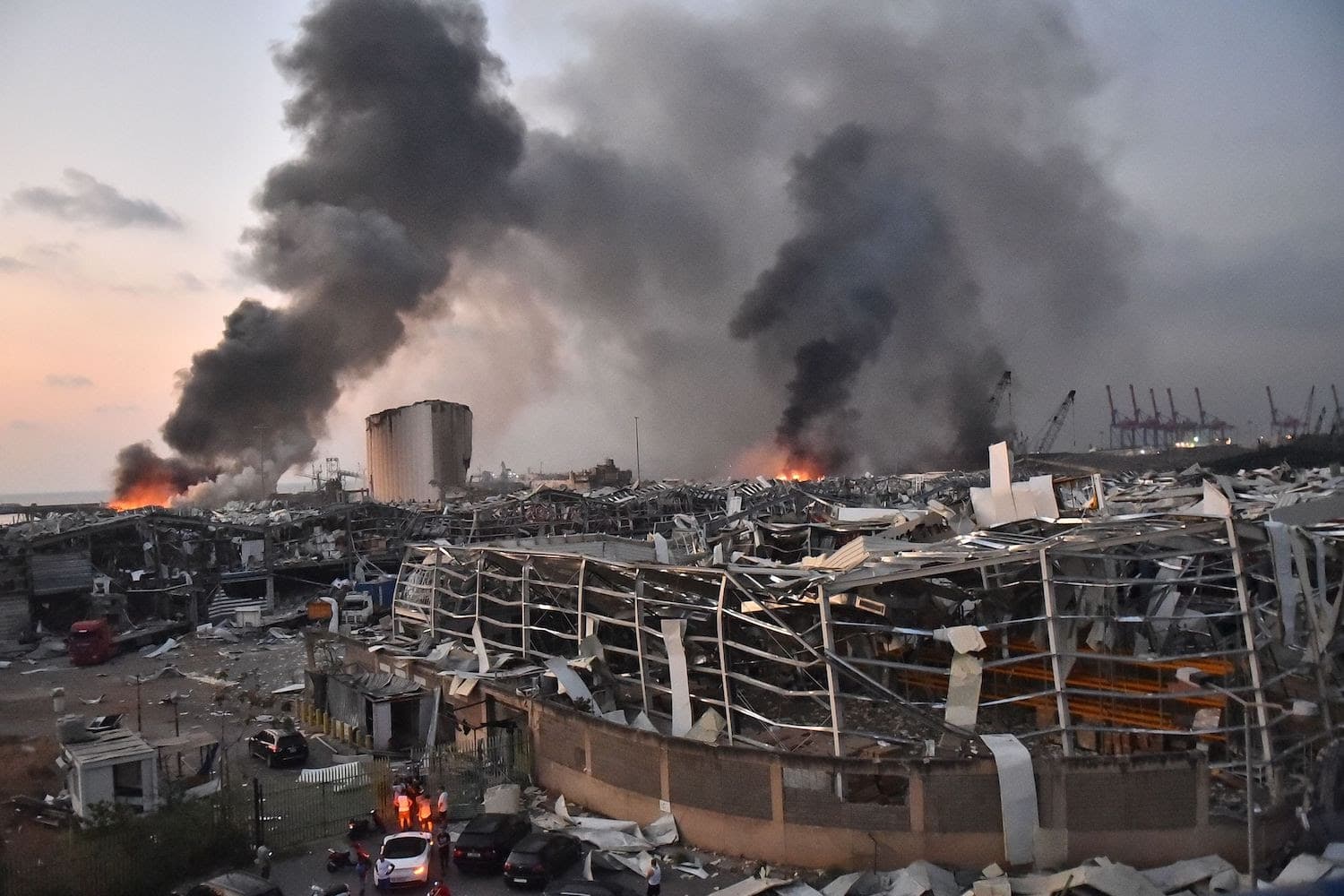
Last August 4 2020, a massive explosion devastated the Lebanese capital of Beirut. Initial figures stood at 78 dead and 4000 wounded due to the explosion, with figures rising to over 135 dead and many more wounded as of August 6. Early reports point to the cause of the explosion being an old warehouse containing over 2,750 metric tonnes of ammonium nitrate, a highly flammable chemical when mixed with fuel.
Two explosions were reported, the second much larger than the first. The first explosion likely originated from a nearby warehouse that contained fire works, as seen in several videos online. Moments later, a second explosion occurred – releasing a cloud of dense black smoke in the air together with a huge shockwave. Fireworks are also the suspected trigger of the second explosion, which overturned cars, shattered glass windows, and shook buildings to their foundation. All surrounding buildings near the explosion were leveled, while the orange smoke had begun to engulf much of the city centre.
Firefighters and medical personnel quickly rushed to the scene. The Lebanese National News agency broadcasted: all available ambulances from around Lebanon and under the jurisdiction of the national Red Cross had been dispatched to Beirut to alleviate the stress local hospitals experienced.
Currently, Beirut’s hospitals continue to face an overwhelming number of patients. Those in need of medical support are being transferred to hospitals outside the city, given how those within Beirut are either operating far beyond capacity or are rendered useless due to damage from the explosions.
The chaos and destruction caused by the blast has left over 300,000 people either displaced or homeless. Beirut has been put under a two-week state of emergency.
Lebanon’s Prime Minister Hassan Diab issued a televised statement saying, “It was a catastrophe, and those responsible must be held to account.” He cited intelligence reports from Lebanon’s Ministry of Defense that a massive amount of ammonium nitrate in a “dangerous warehouse” had not been disposed of, with the large cache of high explosive apparently being stored there since 2014.
Similarly, President Michel Aoun declared a three-day mourning period. He later lambasted Beirut’s health and safety department, stating that it is unacceptable that this much dangerous material had been left sitting in a warehouse for 6 years.
At the time of writing, the death toll from the explosion has risen to 137, with over 5,000 wounded. Earlier investigations also point to an abandoned Russian ship and its seized cargo as the source of the ammonium nitrate.
Sources: