The Decline of Cable Television
By Marcus Ferro (G11)
|3 min read
Written by: Marcus Ferro (G11)
Did you ever wonder what happened to cable TV? The time when people grew up in a generation where free time would be spent sitting down on a couch with a remote at hand and scrolling through channels until one found Cartoon Network or Nickelodeon? Some days were exciting while others were boring, especially when your favorite show wasn’t on. Nowadays, kids still sit on couches with a remote on hand, but can easily find shows and curate what they want with a click of a button. Where’s the fairness in that?
Cable TV has been ousted in most households now, being replaced with streaming devices and smart TVs – opening up new opportunities for entertainment and giving much more autonomy to the consumer. This rapid decline is due to a combination of new competition, technology, and consumers that have, in one way or another, ravaged its percent share within the market.
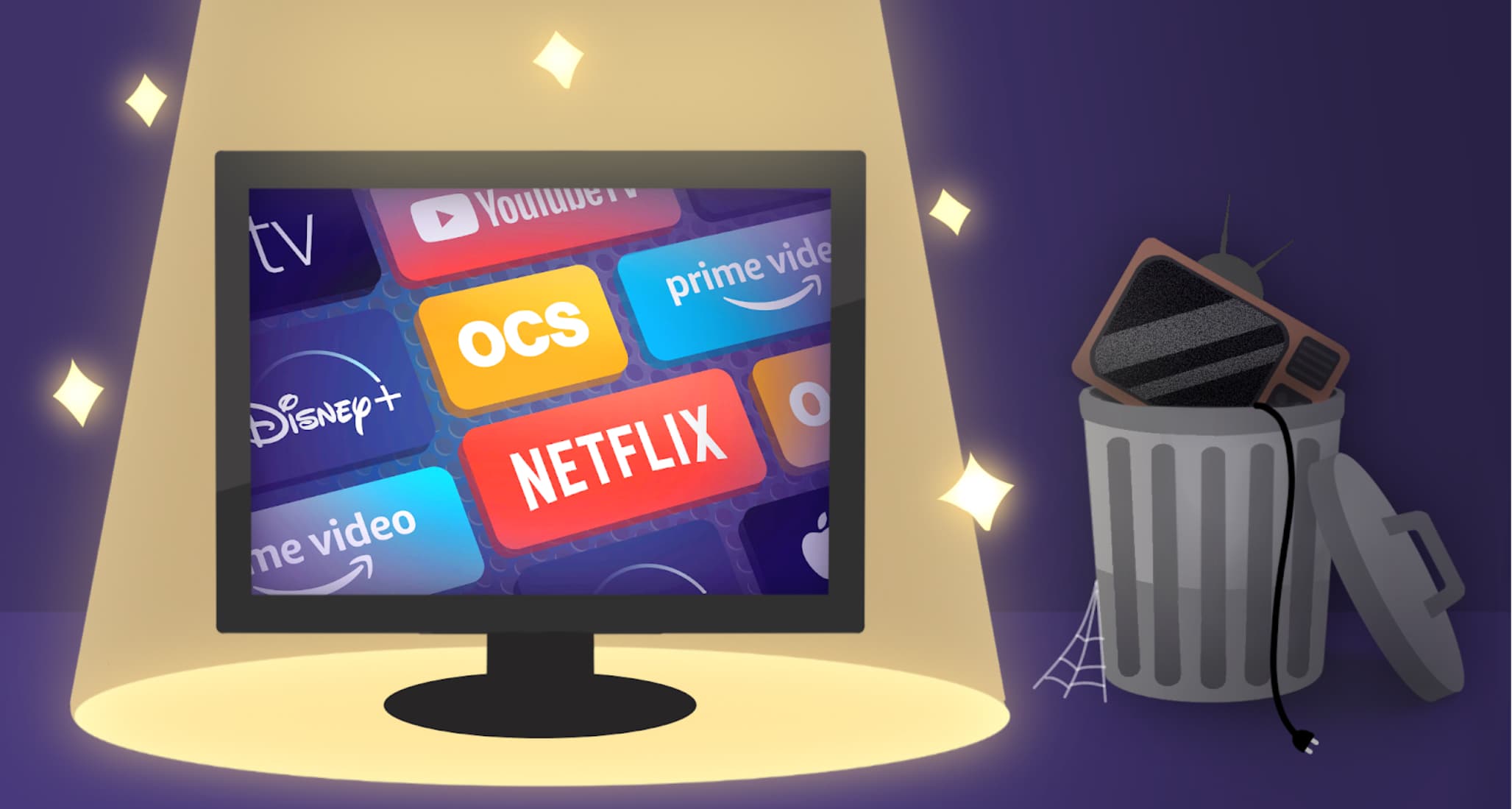
Over time, technology has advanced, and new competitors have come with it. Media companies such as HBO and ESPN who had channels in various cable TV subscriptions have recognized this shift and have begun experimenting with their streaming content – giving rise to streaming services. The rise of streaming services and platforms like Netflix, Amazon Prime, Hulu, and Disney+ has provided viewers with a more flexible and on-demand way to access content. People can now watch what they want and when they want, without the need for a traditional cable subscription. Furthermore, streaming services allow viewers to customize their content choices, creating a more personalized viewing experience compared to cable TV.
This new wave of streaming and easy access to a myriad of content that consumers can choose from is a fantastic model compared to cable TV, where you need to find specific channels and wait until specific times to watch the media you want to consume. Moreover, the consumer might not even get what they want to watch as it is up to chance if the specific episode they want will be aired. Lastly, cable providers faced increased competition from satellite TV, internet-based TV services, and telecommunication companies, which offered alternative TV options. In some regions, free over-the-air TV channels have gained popularity, offering local and network programming without the need for cable – appealing to cost-conscious consumers.
If anything, the consumer and the environment around the consumer have changed. Consumers are no longer willing to buy many channels they don’t watch. Many viewers have chosen to “cut the cord” by canceling their cable subscriptions in favor of streaming services. Cost savings often drive this as cable subscription costs have grown higher and higher that consumers are no longer willing to pay, and streaming services can be more affordable than cable packages. Furthermore, the proliferation of smartphones and tablets has made it easier for people to watch content on the go, reducing the need for traditional cable.
All of this resulted in cable TV having to increase cable subscription costs to get more revenue to mitigate the increasing amount of people canceling their cable subscriptions. In turn, this drove away more people with continually higher prices. Moreover, these people turned to much more affordable and targeted streaming services, which can be put on gadgets and can be brought to any place. Simply put, cable TV couldn’t offer more enticing incentives and benefits than streaming services to the consumer.
Cable TV at its height was a complete juggernaut, unable to be stopped as there was no competition in sight, and was touted as a must-need electronic in any household. Yet it has fallen out of fashion for most due to a change in environment and upstart technology. This model has been usurped by streaming options since consumers can pick and choose what they want to watch, with more targeted and specific streaming channels – an absolute game changer compared to the average cable subscription. All of these factors combined to give way to the decline of cable television.


