The science behind the 2019 coronavirus
By Joaquin Gabriel Malachi Antonio de Castro
|3 min read
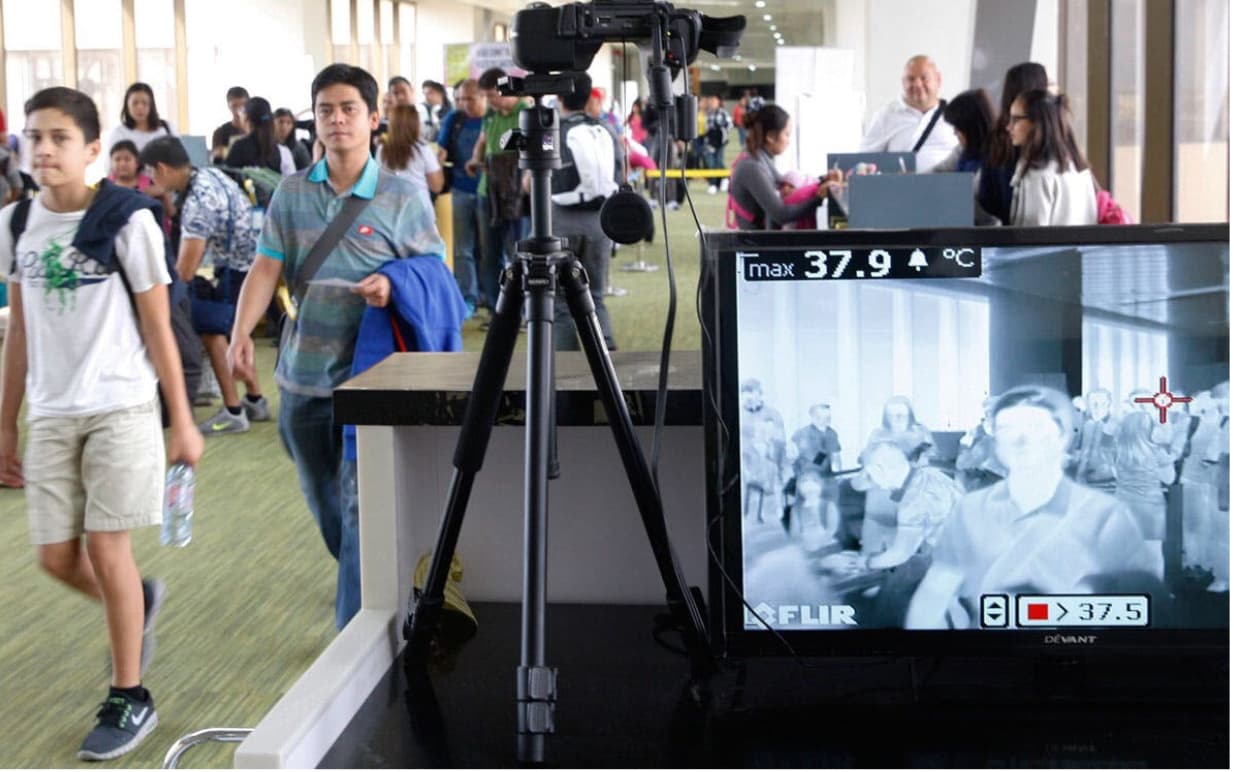
Just hours ago, the Philippines has joined the list of countries with case(s) of the Coronavirus. The first patient with the disease arrived from Wuhan, China last January 21, but surprisingly exhibited no symptoms. Alongside this case, 29 other patients were being closely monitored by the Department of Health, one of which died yesterday due to pneumonia. But aside from being aware of the news surrounding the outbreak, it is also important to be informed about how the virus actually works and what we know about it, so that steps and measures may be taken to prevent ourselves and others from contracting the disease.
History of the Coronavirus
Despite the recency of the news, the virus has actually been discovered decades ago. in 1965, a strand of virus was grown and called B814. Within the next couple of years, several other viruses of similar nature were grown in organ cultures. These viruses, which included a number of animal viruses as well, were found to be of similar morphology. Projections of the virus also appear to be reminiscent of the shape of a crown, hence the name: Coronavirus. More recent varieties of the virus include the SARS Coronavirus (Severe Acute Respiratory Syndrome) in 2002, with the last case reported to occur on April 2004. In 2012 Saudi Arabia, another strand of Coronavirus emerged, dubbed the MERS Coronavirus (Middle East Respiratory Syndrome).
What is the 2019 Novel Coronavirus?
The most recent Coronavirus was identified by the World Health Organization just this month. The outbreak was said to be associated with cases of pneumonia in Wuhan City of China. This strand belongs to the same family of viruses as MERS and SARS. Much current investigation and research is being done on instances of this new Coronavirus, and there is definitely still much to learn.
How the virus works and spreads
The 2019-nCOV is a zoonotic virus, similar to other Coronaviridae diseases. This simply means that it finds its origin in animals. But despite this, the virus can spread effortlessly via air. The virus is similar to the usual enzymes. Once it finds the right cells (specifically lung cells), it makes use of lock-and-key synthesis to create proteins. However, the Coronavirus compromises the Ribosomes responsible for creating proteins the body needs. Instead of executing instructions given in the cell DNA, the virus imposes its own RNA to make other proteins needed to created more viruses. These viruses spread out of the cell in search of other cells to infect, destroying the host cell in the process. However, it should also be pointed out that the body is capable of defending itself from this onslaught. It is mostly those with weakened immune systems that are vulnerable to this disease. The most recent viruses have actually affected mostly elderly people. Moreover, a compromised immune system is more than not the cause of further complications, as it leaves the body defenseless against other afflictions.
Symptoms
The big problem with detecting and diagnosing the Coronavirus is that its symptoms are extremely common. These are symptoms such as fever, headache, cough, and a runny nose. Proper diagnosis can therefore only be made after a series of blood tests or even the extraction of lung samples.
Remain vigilant but calm
The Philippine Health Chief encouraged the public to remain calm and cautious in the wake of the outbreak.
“I assure the public that the Department of Health is on top of this evolving situation. We were able to detect the first confirmed case because of our strong surveillance system, close coordination with the World Health Organization and other national agencies…
I advise the public to stay calm and be vigilant at all times.”
Sources:
https://www.rappler.com/nation/186633-philippines-confirms-case-novel-coronavirus
https://www.iol.co.za/news/opinion/the-science-behind-the-new-coronavirus-41566839