The state of the Philippine economy: its first contraction since 1998
By Justin Sy
|2 min read
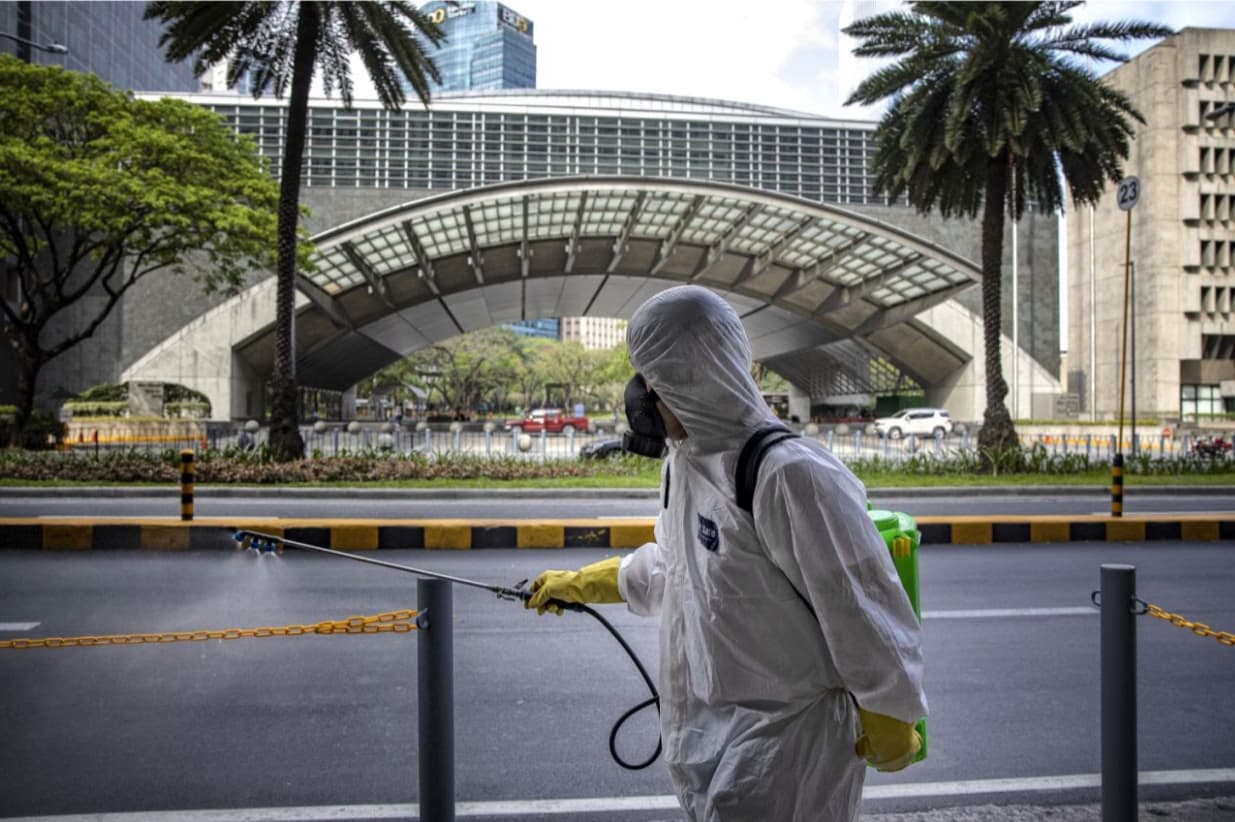
The coronavirus pandemic has not spared the Philippine economy, which recorded its first contraction since 1998.
In the first quarter of 2020, or from January to March, the Philippines’ GDP dropped 0.2% compared to that of the previous year, the first contraction since the fourth quarter of 1998. The performance is worse than the median estimate of a 2.9% growth that economists expected. Compared to the previous quarter, the decline is 5.1%, missing expectations of a mere 2%. Marking the worst quarter-per-quarter performance on record, the economy faces the grim effects of the COVID-19 pandemic.
Economists expect a bigger downturn in the second quarter, which covers most of the ECQ that began in mid-March. The lockdown of the capital city and most of Luzon, which fuels more than half of domestic output also plague the economy. The closure of businesses has also resulted in rapid furloughing and job loss. The International Monetary Fund forecasts a 6.2 percent unemployment rate in 2020, up from 5.1% in 2019.
However, as businesses start to reopen and lockdowns end, the economy will start to increase output, which could remedy growing unemployment and declining economic growth. Acting Socioeconomic Planning Secretary Karl Kendrick Chua sees recovery possible in the second half of the year. The government is also drafting an economic recovery plan, which could prove crucial in the months to come.
The government already raised funds, as it sold a 2.3 billion dollar bond and is currently negotiating for an up to 7 billion dollar loan from multilateral lenders. Due to the gradual resumption of the “Build, Build, Build” program, a comprehensive infrastructure program, the government also has confidence in a very strong economic rebound.
The Bangko Sentral ng Pilipinas also holds an important role during these troubling times. Part of its efforts are cuts of benchmark interest rates, banks’ reserve requirements ratio, and regulation easing to support banks and borrowers alike. These policies make borrowing money and taking loans much easier, ostensibly helping those most affected by the pandemic. The institution also provided a 6 billion dollar lifeline to the government.
Many uncertainties still remain, such as a possible second wave of infections that may prompt further extension of lockdowns. Adapting to the new normal will be hard for businesses and consumers alike. However, prospects of eventual economic recovery seem likely if the predictions of the central bank, government, and economists are accurate