年糕、抖音与传统:菲律宾生活中的中国文化
By Spencer Li 李承恩 (11A) and Oscar Hong 洪翊傑 (11C)
|2 min read
作者: Spencer Li 李承恩 (11A) 和 Oscar Hong 洪翊傑 (11C)
从吃炒面,到刷抖音,到收到红包,中国文化已经深深融入菲律宾人们的日常生活中。尽管近些年来关于西菲律宾海的冲突加剧了两国之间的紧张关系,但中菲之间的文化纽带至今依然牢固。几百年来,中国文化与菲律宾社会密不可分,饮食、传统甚至科技都留下了它的印记。中国的传统遗产与菲律宾文化的核心交织在一起,形成了一种超越国界和政界的深厚联系。
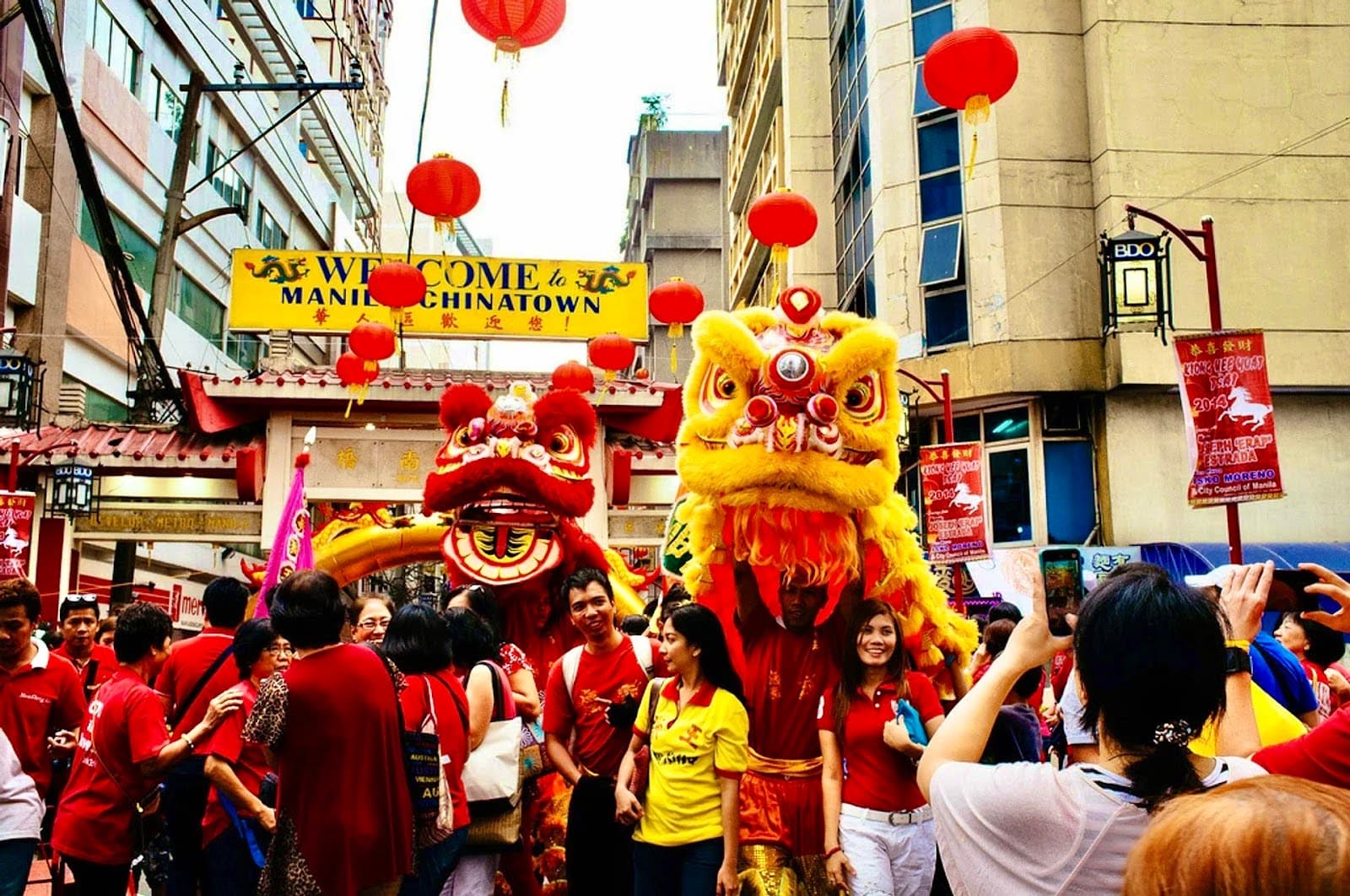
早在西班牙殖民之前,来自福建的中国商人便已抵达菲律宾从事贸易。许多人在当地定居,与本地人通婚,逐渐建立了我们如今所称的“华菲”(Chinoy)群体。如今,菲律宾大约有一百二十万人被认为是华菲族群,还有数百万人拥有可追溯的中国血统。菲律宾最具代表性的华菲聚集地是于1594年建立的马尼拉比农多中国城(Binondo Chinatown),它见证了中菲文化的交融和历史。华菲文化正通过年轻一代得以延续,他们大多在菲律宾出生和成长,接受中菲融合的教育。光启学校、義德中學、天主敎崇德学校、菲律濱中正學院等知名学府,通过双语教学与传统节日庆祝活动,积极传承和发展华菲身份。
中华文化在菲律宾生活中的长久存在,最明显地体现在饮食上。年糕一直是菲律宾庆典中备受喜爱的甜点。它将中国文化中象征团结和好运的寓意,与菲律宾文化中的欢乐与团聚融合在一起。
菲律宾青年在接受并融入中华文化方面发挥了重要作用,其中最明显的例子就是使用中国开发的平台——抖音。它象征着中菲文化在现代世界中的紧密联系与交融。
尽管当前两国局势存在紧张,华菲群体依然是充满自豪的菲律宾公民,他们庆祝并守护中菲两国的文化联系,这种关系远远超越政治纷争。华菲群体的独特之处在于,他们象征着多元文化交融的身份认同。文化可以搭建桥梁,即使国家之间偶有矛盾,共享的文化遗产所带来的连接之力是不可动摇的。人与人之间的纽带不在于种族,而在于共同的历史、价值观与生活方式。从年糕、到抖音、再到代代相传的传统,中国影响将永远是菲律宾文化不可分割的一部分。
Tikoy, Tiktok, Tradition: Chinese Culture in Filipino Life
By: Spencer Li (11A) and Oscar Hong (11C)
From eating pancit canton, to watching TikTok, to receiving angpao, Chinese culture continues to blend into everyday Filipino life. Although recent conflict regarding the West Philippine Sea has generated tensions, the cultural bond between the two countries remains strong to this day. Chinese culture has and always will be deeply connected to Filipino society through centuries of shared history, integrating itself in everything from cuisine to traditions to technology. Chinese heritage is intertwined with the heart of Filipino culture, leaving a connection that transcends borders and politics.
Preceding Spanish colonization, Chinese merchants had already arrived in the Philippines from Fujian in order to trade goods. Many settled down, married locals, and began the foundation for what we now know as the ‘Chinoy’ (Chinese-Pinoy) community. Approximately 1.2 million people in the Philippines are considered to be Chinoy, along with millions more having traceable Chinese ancestry. The most prominent representation of the Chinoy community in the Philippines is Binondo Chinatown, established in 1594. It highlights the cultural fusion and shared culture of China and the Philippines. Chinoy culture is further being promoted in younger generations, many of whom were raised in the Philippines, through a Chinese-Filipino education. Prestigious schools such as Xavier School, ICA, St. Jude, Chiang Kai-Shek, and many more, are playing a major role in preserving and promoting Chinoy identity through celebrating mixed traditions as well as teaching both languages.
Chinese influence is so deeply rooted in Filipino life that it has blended together. Foods originating in China such as pancit canton, tikoy, siopao, and hopia, have all been integrated into national celebrations in the Philippines. Another significant example is Chinese New Year, an event that is celebrated throughout the country with red lanterns and dragon dances. Today, Chinese influence is clearly visible in technology and entertainment enjoyed by Filipinos. Brands such as Oppo, Huawei, and Xiaomi have entered the Philippine market, along with apps such as TikTok being so widespread and popular.
For decades, China has played a major role in shaping the Philippines’ commercial landscape, companies, and economy. Some of the country’s largest businesses were founded by Chinese-Filipino families. The Sy, Gokongwei, and Tan families, respectively, are all associated with the largest companies in the Philippines: SM, Cebu Pacific, and Philippine National Bank. Beyond large corporations, Chinese influence is also seen in small businesses and markets.
Despite current tensions, the Chinese-Filipino community remain proud citizens, celebrating and preserving the shared culture of the two nations, a connection that is bigger than politics. The Chinoy community is unique in that it symbolizes the combination of different cultures into one identity. Culture builds bridges; while conflict may occur between nations, the quiet power of shared heritage is a connection that cannot be broken. People are not bonded by race, but by history, values, and life. Chinese influence will always be a part of Filipino culture, from tikoy, to TikTok, to tradition.