Climate Change and Extreme Weather: A Dangerous Connection
By Jacob Siao (11I)
|5 min read
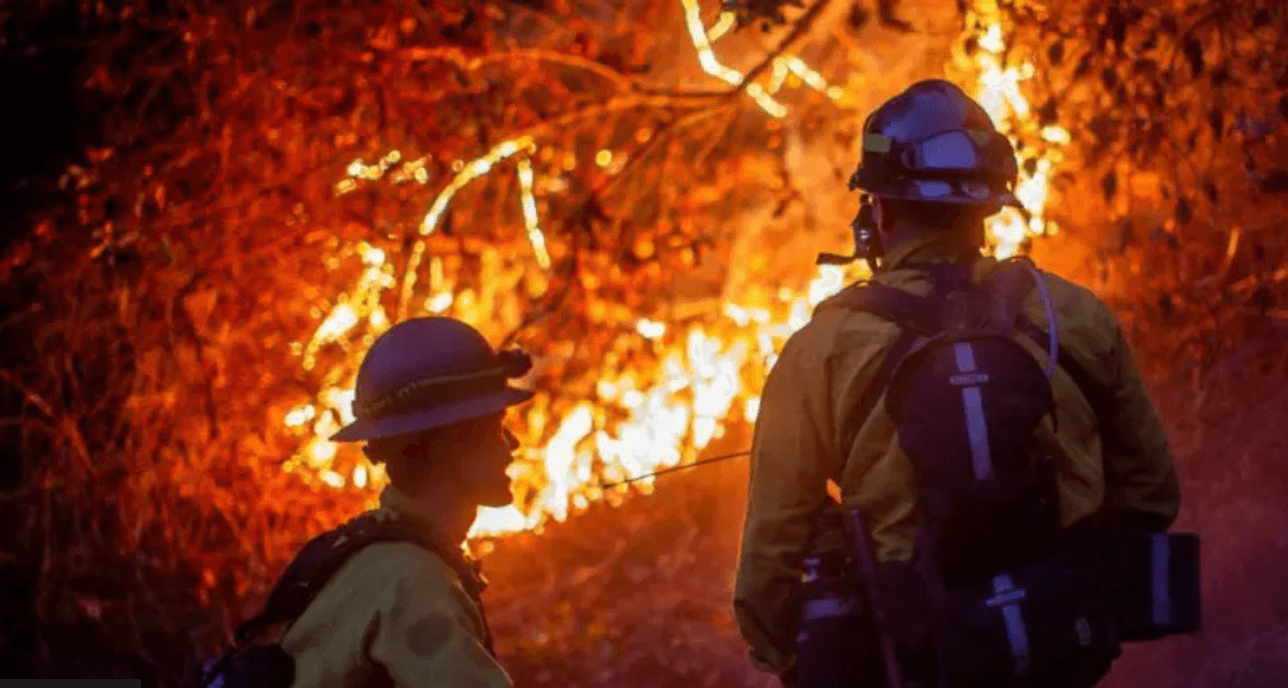
The Los Angeles fires of January 2025 were one of the most expensive weather-related disasters in US history (Photo Credits: BBC NEWS)
By: Jacob Siao (11I)
LONDON, UNITED KINGDOM – Everyday, extreme weather events and conditions are becoming more common and more common and intense all across the world, and sooner or later this will become our new normal if we don’t do something about it. For this, we can point to Climate Change, mainly caused by us humans and human activities.
“Climate change refers to long-term shifts in temperatures and weather patterns. Such shifts can be natural, due to changes in the sun’s activity or large volcanic eruptions. But since the 1800s, human activities have been the main driver of climate change, primarily due to the burning of fossil fuels like coal, oil and gas” (United Nations, 2025).
Given this, we are the ones ultimately responsible for the rapid changes happening in our global climate, which are constantly contributing to extreme weather conditions. The effects are not only becoming more significant, but also more noticeable.
First, is that we are constantly experiencing hotter and longer heatwaves. It is said that even a small increase in average temperatures makes a big difference to heat extremes because as the range of daily temperatures shift to warmer levels, hotter days become more intense.
Scientists used computer models to simulate how individuals with extreme weather events unfold in two scenarios, and they found that in today’s world, about 1.3°C or more of human-caused global warming, compared to a hypothetical world without human influence on the climate. They found that in the UK, temperatures topped 40°C for the first time in July 2022, causing extensive disruption. According to scientists at the World Weather Attribution Group (WWA), this event would have been unlikely without climate change.
In June of 2025, The Met Office announced that the chances of seeing temperatures above 40°C today was more than 20 times greater than during the 1960s, and the likelihood of reaching such temperatures will continue to rise as the world warms. In other parts of the world, countless more heatwaves caused by climate change have become more intense, some examples include the 48°C temperatures in Mali recorded in April 2024, and prolonged and widespread heat in Scandinavia in July of 2025, while temperatures often pass 30°C in Norway.
One explanation behind these heat waves is the formation of heat domes. Heat domes are created when an area of high pressure stays over the same area for days up to weeks which traps the hot air underneath.
The second major effect climate change has on weather conditions today is the increase in extreme rainfall. For every 1°C rise in air temperature, the atmosphere can hold about 7% more moisture than usual, and with more moisture, rainfall would become heavier.
In between October of 2023 and March of 2024, the UK experienced the second wettest such period that was ever recorded. According to WWA, the level of rainfall during this time was at least four times more likely to be caused by human-related global warming. In September 2024, deadly floods hit much of central Europe, including Poland, the Czech Republic. Romania, Austria, and Italy. WWA found that the intensity of rainfall over four days in mid September was made twice as likely by climate change.
Lastly, climate change is contributing to longer periods of droughts and more fuels for wildfires as of 2025. Although the link between specific individual droughts and climate change has been difficult to pinpoint due to the many different factors affecting the availability of water, research has found that in parts of East Africa, there were five failed rainy seasons in a row between 2020 and 2022, as the region suffered its worst drought in 40 years, displacing 1.2 million people in Somalia alone. The WWA finds that climate change has made droughts like these 100 times more likely.
The same can be said for wildfires. It is also difficult to know if climate change is the cause of worsening a specific wildfire because of the many relevant factors, such as changes to the way land is used. But according to IPCC, climate change is making weather conditions needed for wildfires to spread more rapidly, where extreme long lasting heat draws more moisture out of soils and vegetation.
These extremely dry conditions therefore provide fuel for fires which do spread at a rapid rate, especially if winds are strong. In one example, the Northeast Amazon experienced an extreme fire season, early in 2025. Climate change made the weather conditions that helped the fires to spread all the way from 30 to 70 times more likely. As a result, the area burned was nearly four times greater than if humans had not heated up our planet, scientists confirm.
We must recognize that climate change is no longer a distant or abstract issue but rather, a reality that is already shaping the world we live in today. The increasing intensity of heatwaves, heavier rainfall and flooding, prolonged droughts, and more destructive wildfires all point to one clear truth. Human-driven climate change is fueling extreme weather across the globe. Scientific evidence from organizations such as the United Nations, the World Weather Attribution group, and the IPCC shows that these events are not random, but are becoming more frequent and severe as the planet continues to warm. If global temperatures keep rising at the current rate, extreme weather may soon become the “new normal,” placing lives, ecosystems, and economies at greater risk.
Understanding this connection is crucial, because acknowledging our role in causing climate change is the first step toward reducing its impacts. The choices we make today both individually and collectively can and will determine whether future generations inherit a world defined by climate disasters or one shaped by action and responsibility.
References:
earthjustice. “How Climate Change Is Fueling Extreme Weather.” Earthjustice, 1 Oct. 2024, earthjustice.org/feature/how-climate-change-is-fueling-extreme-weather.
NASA. “Extreme Weather and Climate Change.” NASA, NASA, 23 Oct. 2024, science.nasa.gov/climate-change/extreme-weather/.
United Nations. “What Is Climate Change?” United Nations, 2025, www.un.org/en/climatechange/what-is-climate-change.