How Neuralink Can Help Individuals Living with Paralysis
By Jacob Siao (10E)
|3 min read
By: Jacob Siao (10E)
For far too long, individuals living with paralysis have faced immense challenges, often feeling trapped in a life of limitations and suffering. The inability to fully engage with the world can leave them feeling as if they are merely existing, not truly living, and perhaps even waiting for death. But recently, Elon Musk introduced what could be the first of many groundbreaking solutions – Neuralink.
The technology behind Neuralink
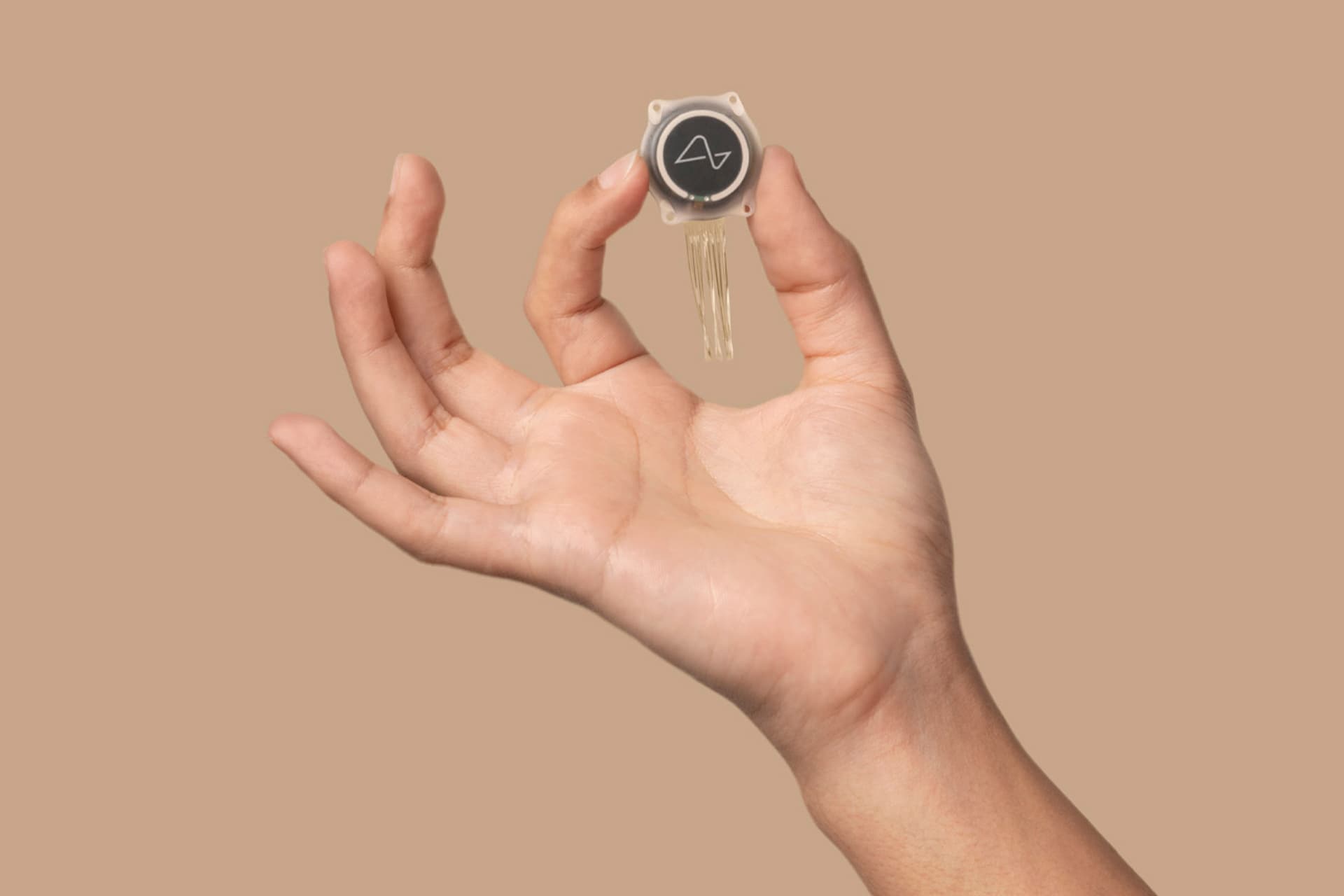
The Neuralink technology is an advanced brain-computer interface (BCI) designed to connect human consciousness with machines. Its core device, “the Link,” is a coin-sized implant with 1,024 electrodes that record neural activity and transmit signals via Bluetooth.
A robotic system handles the precise implantation, threading electrodes into the cerebral cortex, which controls functions like learning and memory. This reduces human error but carries risks like infection.
Post-implantation, machine learning algorithms refine how neural signals are translated into actions for external devices, continuously improving the interface’s performance.
Human enhancement and benefits
Neuralink’s main goal is to help people with serious neurological issues like paralysis, by allowing them to control devices with their minds. This could lead to medical breakthroughs, such as helping paralyzed patients move again or even enhancing memory in the future. However, the technology raises concerns about privacy, safety, and fairness. Early tests on animals show progress but also challenges, like seizures, so careful testing will be needed as it moves to human trials.
Elon Musk believes Neuralink could one day combine human brains with artificial intelligence. In the medical field, it might offer new treatments for conditions like Parkinson’s disease and help people control prosthetics and exoskeletons to regain movement. It could also potentially improve memory and cognitive abilities.
Neuralink setbacks
Even though Neuralink has taken a step forward in the medical field, it’s important to address the controversies regarding its safety protocols.
Reuters reported that the firm was fined for violating U.S. Department of Transportation rules regarding the movement of hazardous materials. They also found improper packaging of hazardous waste, including the flammable liquid Xylene which causes headaches, dizziness, confusion, and even death, according to the U.S. Centers for Disease Control and Prevention.
Neuralink’s first attempt at implementing its chip in a quadriplegic human’s (someone with paralysis in all four of their limbs) skull-faced a setback when the device began detaching from the patient’s brain. Some of the device’s threads, which connected the brain to the chip, had begun to retract. Neuralink has since stated that their engineers have fixed the issue and restored functionality. So far, the device has allowed the first patient to move a cursor, browse the internet, play video games, and post on social media. The device has also been implanted in a second patient.
In conclusion, Neuralink’s progress signals a move from external gadgets to internal implants, possibly ushering in a new era of integration with the nervous system. Though this brain chip is a significant leap forward in brain-computer interfaces, it’s important to remain cautiously optimistic.
It is crucial to grasp the technology’s current capabilities, potential risks, and future impact to ensure its development is both responsible and ethical. As human trials advance and technology evolves, tackling ethical issues and managing public expectations will be key to tapping its full potential.
References:
Becker, S. (2024, January 26). Musk’s brain implant company violated U.S. hazardous material transport rules. Reuters. https://www.reuters.com/technology/musk-brain-implant-company-violated-us-hazardous-material-transport-rules-2024-01-26/
Capitol Technology University. (2024, August 14). Neuralink’s brain chip: How it works and what it means. https://www.captechu.edu/blog/neuralinks-brain-chip-how-it-works-and-what-it-means#:~:text=The%20Future%20of%20Implantable%20Devices%20like%20Neuralink&text=It%20could%20be%20used%20to,augmentation%20and%20enhanced%20cognitive%20abilities.
Reuters. (2024, February 20). Neuralink’s first human patient able to control mouse through thinking, Musk says. Reuters. https://www.reuters.com/business/healthcare-pharmaceuticals/neuralinks-first-human-patient-able-control-mouse-through-thinking-musk-says-2024-02-20/
Standard. (2024, August 15). What is Neuralink? Elon Musk’s chip explained: How it works, price, and dangers. https://www.standard.co.uk/news/tech/what-neuralink-elon-musk-chip-how-works-price-dangers-b1135719.html#:~:text=Neuralink%20transmits%20data%20wirelessly%2C%20much,patient%2C%20on%20the%20brain’s%20surface.
The Guardian. (2024, May 9) Neuralink Brain Chip Implant https://www.theguardian.com/technology/article/2024/may/09/neuralink-brain-chip-implantReuters. (2024, August 4) Neuralink Implated Second Trial Patient with Brain Chip https://www.reuters.com/technology/neuralink-implanted-second-trial-patient-with-brain- chip-musk-says-2024-08-04/