Mental Health: A Long Gone Neglected Need
By ravireyes
|4 min read
Over the past decades, a rapid incline has been seen with regards to mental health awareness. More policies have been enacted, more organizations have been built, and more studies have been conducted, all with the purpose of providing better support for people’s mental health. Yet, despite these advancements, the truth is that countless people still and will continue to suffer from mental illness. In 2017, statistics gathered showed that “more than one in ten people globally” live with mental health disorders (Ritchie & Rosie, 2018). These illnesses become leading causes for incompetency, anxiety, suicide, and many more.
Only in recent years has mental health been given more attention in the Philippines. The Mental Health Act of 2018 was the first ever legislative step taken by the Filipino government towards supporting the mental health situation. It “mandates for the provision of psychiatric, psychosocial and neurological services in all hospitals, and basic mental health services in community settings” (Lally, Samaniego & Tully, 2018). Though there have been continuing efforts such as those provided by organizations like Talang Dalisay who advocate for and spread awareness regarding mental health, there remains a lacking healthcare structure and several social stigmas that inhibit a person’s ability to take care of their mental health and easily access treatment for their mental illnesses.
Starting off with healthcare policies, despite the enactment of the Mental Health Act of 2018, only 3-5% of the country’s healthcare fund is actually allocated towards mental health. A large sum of this is also spent on hospital care alone. As such, Filipinos can only access treatment in the few hospitals that do provide mental health services. These hospital services are often underdeveloped, experiencing many problems such as “overcrowding, poorly functioning units, chronic staff shortages and funding” (Lally, Samaniego & Tully, 2018). All in all, this structurally shows how the Philippines has a long way to go before its healthcare policies address the mental health needs of its citizens.
The biggest reason however behind unfulfilled mental healthcare needs is the social stigma placed around mental illnesses. Within the Filipino culture, little attention is given to the idea of mental illness treatment. People are expected to embody resilience and grit throughout their experiences. They are expected not to share their hardcomings but to hold them to themselves whilst employing “social means” in order to get by (Tugade, 2017). Because of the presence of such social stigmas and stereotypes surrounding mental health, those suffering from illnesses experience discrimination and a lack of support when sharing their situation. They are placed under a negative scope, being labelled as crazy and unfit to work within society. These people also end up outcast, either through the response of those around them, or through self-isolation. Ultimately, this leads to these people seeking no help in dealing with their mental illness (Tanaka, C., Tuliao, M.T.R., Tanaka, E. et al., 2018).
Because of the state that mental healthcare services are currently in and the social stigmas surrounding mental illness, many health experts have come forward urging both the government and the population to improve the way mental illnesses are treated within the Filipino society. The Philippines has only 5000 psychologists and psychiatrists in total who are expected to be able to deal with the more than 100 million people who live within our country. Physician Susan Mercado has also noted the effect specialized institutes have on the people’s perception of mental health as it has contributed to the stigma and discrimination directed towards those with mental illnesses. With these, experts call on the people to stop giving such a negative light towards mental healthcare, and to the government to provide the proper funding and facilities to tend to those in need (Cayabyab, 2019).
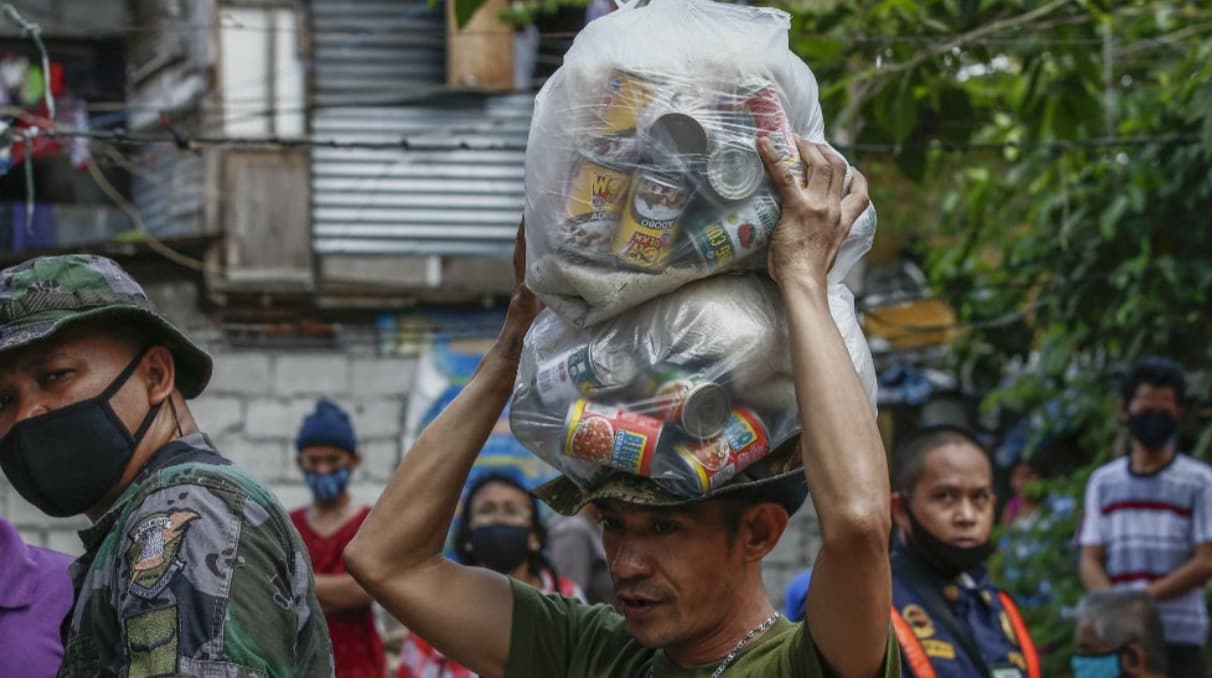
Even amidst this time of quarantine wherein many of us are confined to our homes, all of us demand care for our mental well-being. Disasters tax the mind and may cause mental breakdowns. Millions of Filipinos lack access to food and other supplies during this time of crisis, and this difficulty is bound to have emotional effects on the people. Even the lack of productive or joyful activity may also detrimentally affect our ability to cope later on. Hence, there exists a need for us to continue to find ways to help ourselves as well as others, so as to alleviate whatever mental burdens we can.
Managing the nation’s mental health ultimately boils down to the openness of the people towards the issue, and their willingness to render aid. Countless articles and studies throughout the years have detailed how supporting one another can lead to a greater sense of well-being, yet the system still fails to fully accommodate those in suffering. A camel can indeed be brought to the water, but it cannot be forced to drink. Likewise, the choice to act upon the current situation inevitably rests upon the individuals who make up the population of this nation.