Social issues: take your pick
By Rizalino Antonio Labos (G12)
|3 min read
Anton Labos (G12), Stallion Editor-in-Chief
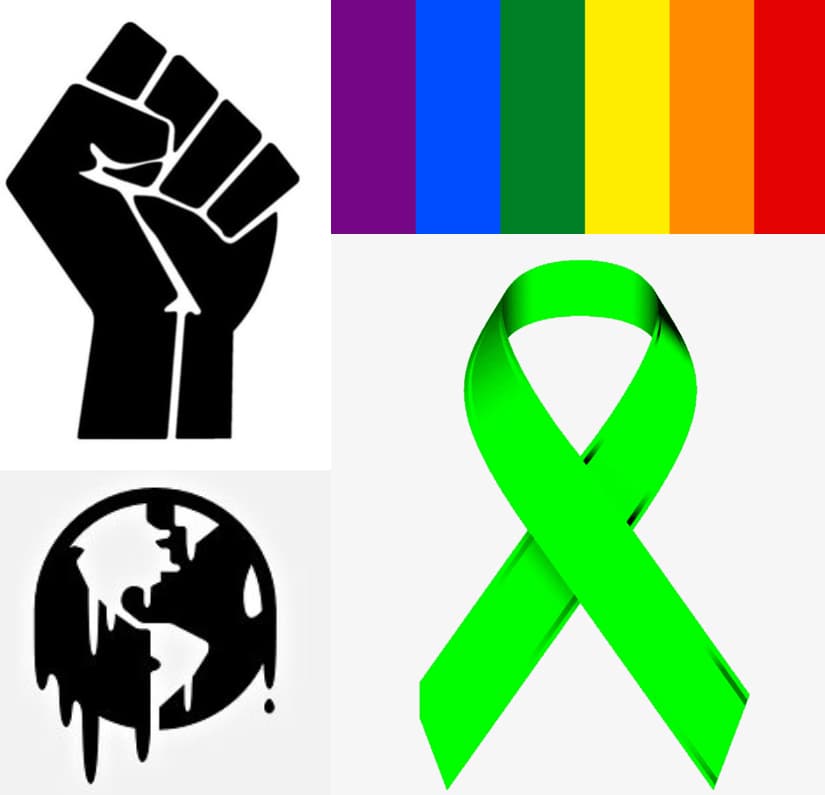
The Black Lives Matter movement. Climate change. Press freedom. Gender equality. Unemployment. During the course of the coronavirus outbreak, these social issues have gained a more substantial following due to the countless controversial and consequential events that have occurred.
The collective drive to address these concerns proves to be strong both at home and abroad. Our youth have set up organizations and initiatives to bring awareness and demonstrable impact to affected communities. The voices of truth and liberty refuse to be silenced as people continue to express themselves on various media platforms. Across the globe, millions cry out in protest against unwarranted brutalities based on bigotry and fear.
Nonetheless, the rapid rise of these different issues may have led to a piecemeal approach to confronting them. Each topic comprises numerous elements that demand proper attention, and thus there is a tendency for parties to focus too much on a few elements out of their passion for the intended issue. As a result, some may isolate subjects from one another in an effort to fully flesh out the details of each.
We must not forget, however, that every social issue is inevitably connected with others. The mere fact that these matters are social in nature indicates that they affect each of us, and they in turn affect how we live the other aspects of our lives.
A discussion on poverty, for example, cannot be complete without considering the undeniable links to mental health. Those devastated by calamities risk trauma and can develop a feeling of helplessness that can detrimentally influence them later on. Even violations of gender equality and press freedom can shape well-being as such abuses likewise endanger an individual’s sense of expression and identity.
The relationship between climate injustice and racial injustice has also been argued for by Rasmussen and Pinho in 2016 as they described how affairs concerning indigenous land, the rights of rural landowners, and other industries are central to the said inequities in Latin America. In the United States, many polluters situate themselves in low income areas, and some also have been shown to select site locations where there are high percentages of Black people specifically.
Saying, therefore, that certain issues will not affect us may end up being a lapse in judgement. Though being affected by the common plights of society may seem unlikely to some, especially to those who live in privilege, such likelihood still remains and grows ever more a threat so long as the issues of the day are not handled well.
Yet, simply because many issues are connected to one another does not merit a blind charge against all of them wherein we just provide empty blanket statements without action. Although all types of injustice and inequality must be fought, the way we choose to fight such fronts must be engineered to generate maximum impact.
Starting with problems closer to home, for instance, can help much more than jumping so suddenly to challenges faced by those so far from our reach. Particularly during this time of pandemic and paranoia, our experience and knowledge of local events and culture could benefit the state of our own communities. We cannot properly help others if we ourselves are still mired in struggle.
Our choice on how to approach all these issues is key to the creation of movements that will introduce meaningful change. All these issues are evidently rooted in our society and cannot be solved with simple fixes and superficial gestures. Holistic understandings of matters and their links to one another would aid in this regard. Dealing with these structural injustices requires thorough reforms of the systems that support the institutions oppressing all, especially the poorest and most vulnerable amongst us.
Now is not the time to go cherry-picking issues then waving them about. We need to pick and manage our issues wisely, then see how they branch out. Otherwise, the entire tree might just collapse, wrecking the whole ecosystem in the process.